Characteristics and Application Scope of Melamine Printed Paper
Datetime:2026-6-24From: originalClick:6
Summary | A closer look at what makes melamine printed paper such a versatile material and where it fits in modern construction and furniture making.
If you have spent any time around furniture manufacturing or interior fit-outs, you will have come across melamine printed paper. It is one of those materials that rarely gets the spotlight, yet it underpins a surprisingly large proportion of the surfaces we interact with every day.
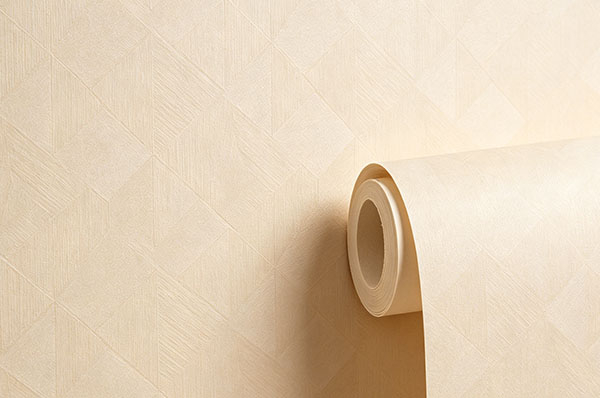
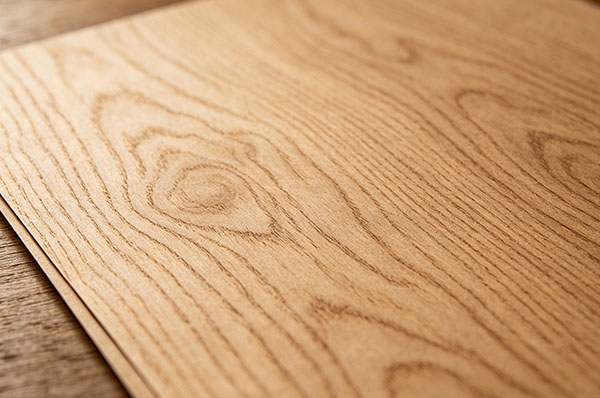
So what exactly is it? At its simplest, melamine printed paper is a decorative paper that has been impregnated with melamine resin and then thermally bonded to a substrate — usually particle board or MDF. The printing process allows manufacturers to reproduce an enormous range of patterns, from convincing wood grains to stone effects and abstract designs. Once the resin cures under heat and pressure, the surface becomes remarkably hard-wearing.
Key characteristics worth knowing about
First and foremost, the scratch resistance is genuinely impressive. You can drag a set of keys across a decent melamine surface and it will come away unmarked. That is why you see it used so extensively in kitchen worktops and office desks. It also handles heat reasonably well, though I would not recommend placing a hot pan directly on it — it is tough, not invincible.
Moisture resistance is another strong point. Unlike raw timber or untreated veneers, melamine surfaces do not readily absorb water, which makes them suitable for bathrooms, laundry rooms and other damp environments. The colour fastness has improved dramatically over the past decade too; modern UV-resistant formulations mean the patterns do not fade nearly as quickly as they used to.
On the flip side, melamine paper is not particularly forgiving when it comes to impact damage. A sharp blow can chip the surface, and once the substrate is exposed, moisture can get in and cause the board to swell. Repairs are fiddly and rarely invisible. It is also worth noting that the edges need proper banding, as the cut edges of melamine-faced boards are not moisture-resistant at all.
Where it is actually used
The furniture industry is by far the largest consumer. Flat-pack furniture, office workstations, shop fittings, wardrobes, shelving units — all of these lean heavily on melamine-faced boards. The material offers a consistent finish at a fraction of the cost of solid timber or veneer.
In the construction sector, melamine paper finds its way into wall panelling systems, door skins, and laminate flooring (where it serves as the decorative layer beneath a transparent wear-resistant overlay). It is also common in retail environments, where shopfitters need durable, good-looking surfaces that can be installed quickly and replaced without too much fuss when the next refit comes around.
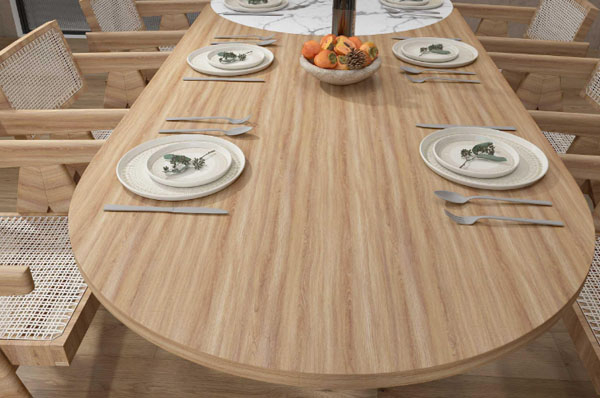
The hospitality industry has cottoned on as well. Hotel room furniture, restaurant tabletops, bar counters — anywhere that needs to withstand heavy daily use whilst still looking presentable. The sheer variety of finishes available means designers can specify a look that fits the brand without blowing the budget on real wood or stone.
A few practical considerations
When specifying melamine printed paper for a project, pay attention to the abrasion resistance rating. Different grades are available, and what works for a residential wardrobe interior will not necessarily stand up to a busy commercial reception desk. The thickness of the paper and the quality of the resin impregnation also vary between manufacturers, so it is worth getting samples and testing them under realistic conditions before committing to a large order.
All things considered, melamine printed paper has earned its place as a workhorse material in modern interiors. It may not have the prestige of solid wood or natural stone, but for sheer practicality and value for money, it is hard to beat.





 Location: