Purchase Tips and Advantages of Wood Grain Paper for Wooden Doors
Datetime:2026-6-24From: originalClick:8
Summary | Practical advice on choosing wood grain paper for door production, from pattern selection to performance testing.
Buying wood grain paper for door manufacturing is one of those tasks that looks straightforward on the surface but gets surprisingly nuanced once you dig into the details. I have spoken to enough door factory owners and procurement managers over the years to know that getting this right can make the difference between a product line that sells and one that gathers dust in the warehouse.
Why wood grain paper at all?
The obvious answer is cost. A solid hardwood door is a beautiful thing, but it is also expensive, heavy, and prone to warping if not properly seasoned. Wood grain paper, bonded to an engineered core, gives you the look of real timber at perhaps a quarter of the cost. Modern printing technology has reached a point where you genuinely have to look twice to tell the difference from a metre away.
But cost is only part of the story. Wood grain paper also offers consistency that natural timber cannot match. When you are producing hundreds or thousands of doors for a hotel project or a residential development, you need every single one to look the same. Natural wood, by its very nature, varies. Paper does not. The pattern repeat is identical across the entire production run, which makes the installer's life considerably easier and keeps the end client happy.
There are practical advantages too. The paper's surface is far more resistant to scratches and UV fading than a clear-coated natural veneer. It does not need periodic oiling or re-varnishing. For internal doors — which is where the vast majority of wood grain paper is used — this low-maintenance characteristic is a significant selling point.
What to look for when buying
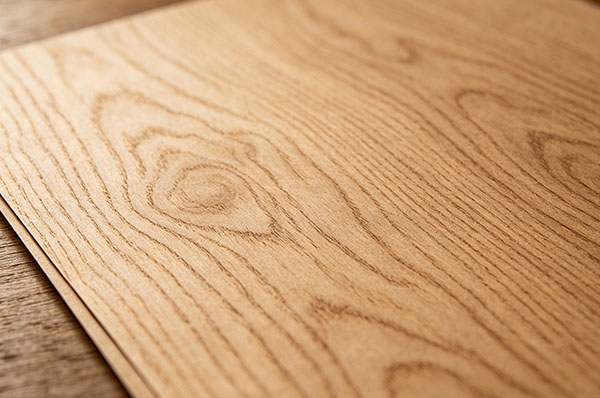
The first thing to check is the print quality. Ask for full-size samples, not just swatches. Hold them up to the light and look for any banding or inconsistencies in the pattern. A good wood grain paper should have a natural-looking variation in the grain, without obvious repeats that catch the eye. The subtle irregularity of real wood is what gives it character, and the best papers replicate this convincingly.
Scratch resistance is the next big test. Take a sample and run a coin or a key across it with moderate pressure. A quality paper will show little to no marking. If it scratches easily at this stage, imagine what will happen after a few years of daily use in a family home with children and pets.
Pay close attention to the colour fastness as well. Leave a sample in direct sunlight for a few days, or ask the supplier for accelerated ageing test data. There is nothing worse than installing a set of doors and finding, six months later, that the ones near the windows have faded to a noticeably lighter shade than those in the hallway.
Don't overlook the embossing quality. The best wood grain papers have a synchronised emboss — meaning the textured surface aligns perfectly with the printed grain pattern. Run your fingernail across the surface and you should feel the grain, not just see it. This tactile element is what really sells the illusion of real wood.
The thickness of the paper matters too. Heavier papers (typically 70-90 g/m²) offer better coverage and are more forgiving during the pressing process, but they also cost more. For door applications, I would generally recommend going with the heavier option, as doors take more abuse than, say, wardrobe interiors.
A word about suppliers
Price is important, but consistency is more so. A supplier who delivers one batch that looks perfect and the next that is slightly off-colour will cost you far more in rejected stock and warranty claims than you saved on the initial purchase. Look for suppliers with proper quality control processes and, ideally, ISO certification. Ask to see their colour matching records and batch testing documentation. A good supplier will be happy to share this; a reluctant one should raise a red flag.





 Location: