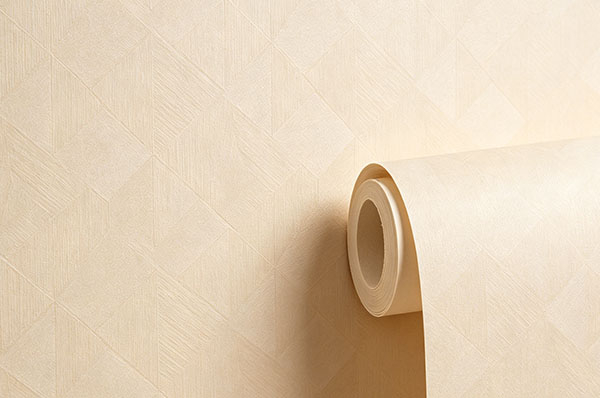
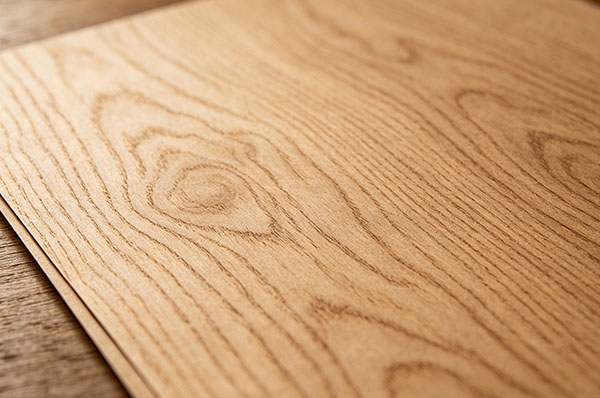
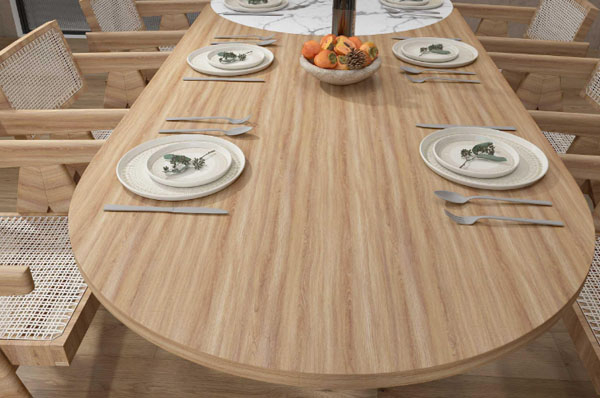
Performance Advantages of Fireproof Interior Decorative Paper
Datetime:2026-6-24From: originalClick:12
Summary | How fireproof decorative paper works, the standards it must meet, and where using it makes practical and regulatory sense.
Fire safety in interior design does not get the attention it deserves until something goes wrong, and by then it is far too late. The materials we use to decorate our homes and workplaces are often the first things to ignite and the fastest routes for flame spread. Fireproof — or more accurately, fire-retardant — decorative paper is one of those products that most people never think about, yet it plays a quiet but vital role in modern building safety.
What 'fireproof' actually means
Let us be precise about terminology. No paper is truly fireproof in the sense of being entirely immune to combustion. What the industry produces is fire-retardant paper, which has been treated with chemical additives that inhibit ignition, slow the rate of flame spread, and reduce the amount of heat released when the material does burn. The effect is a material that is significantly harder to ignite and that self-extinguishes when the flame source is removed.
The fire-retardant treatment is typically applied during the paper manufacturing process, impregnating the fibres with chemicals such as ammonium polyphosphate or boron compounds. These chemicals work in different ways: some release water vapour when heated, cooling the material; others form a protective char layer that insulates the underlying paper from the heat; and some interfere with the chemical reactions that sustain combustion.
Standards and testing
In Europe, the relevant standard is EN 13501-1, which classifies construction products into Euroclasses ranging from A1 (non-combustible) to F (easily flammable). Most fire-retardant decorative papers achieve a B-s1,d0 or C-s1,d0 rating, where 's1' indicates low smoke production and 'd0' indicates no flaming droplets. These are respectable ratings for an organic material and are generally sufficient for use in escape routes, public buildings, and other applications where fire performance is regulated.
The critical thing to understand about fire testing is that the paper must be tested on the substrate it will actually be used with. A fire-retardant paper on a non-combustible substrate like gypsum board will perform very differently to the same paper on a combustible substrate like MDF. Always ensure the test certificate covers your specific combination of materials.
Where fireproof paper is essential
Building regulations in most developed countries mandate enhanced fire performance for surface materials in certain types of buildings. The obvious examples are hospitals, schools, care homes, and hotels, where large numbers of people may need to evacuate in an emergency and where the occupants may have limited mobility. Transport hubs, cinemas, and shopping centres fall into the same category.
There are also specific applications within otherwise standard buildings where fire-retardant paper is advisable. Escape corridors and stairwells are the most obvious, but any room containing significant electrical equipment — server rooms, plant rooms, commercial kitchens — benefits from materials that will not contribute to a fire.
Practical benefits beyond compliance
Even where fire-retardant paper is not legally required, there are pragmatic reasons to consider it. The additional cost is modest — typically 10-15% over standard decorative paper — and the peace of mind it provides has real value. Insurance companies sometimes offer reduced premiums for buildings that use fire-retardant materials beyond the regulatory minimum, and this can offset the extra material cost over time.
Fire-retardant paper also tends to perform better in other areas. The chemical treatment often improves dimensional stability, reducing the tendency to expand and contract with humidity changes. It can also provide a degree of mould resistance, since the chemicals that inhibit combustion are often hostile to fungal growth as well.
One caveat worth mentioning: some fire-retardant treatments can affect the colour or clarity of printed designs, particularly lighter shades. Always request samples of the actual fire-retardant version of your chosen design before placing an order, as the visual difference from the standard version can be noticeable.





 Location: