Construction and Maintenance Knowledge of PVC Decorative Film
Datetime:2026-6-24From: originalClick:19
Summary | Everything about installing and maintaining PVC decorative film.
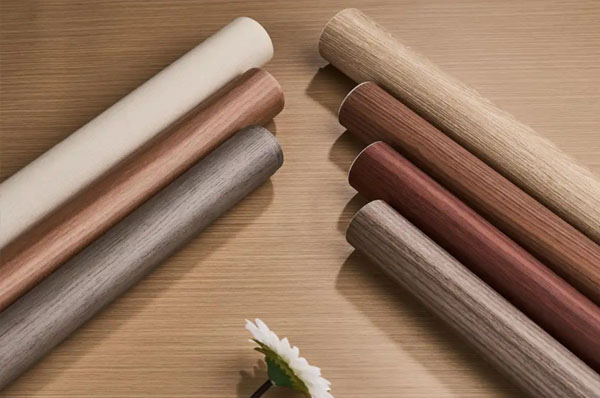
PVC decorative film has become a staple in modern interior finishing, appearing on kitchen cabinet doors, wardrobe fronts, wall panels, and furniture pieces that need a durable surface without the cost of paint or lacquer. Its performance depends heavily on proper installation and maintenance.
Getting the installation right
Surface preparation is critical. The substrate must be clean, dry, and smooth. Any dust, grease, or moisture beneath the film leads to blistering or delamination. Sand to 180-220 grit and wipe with a tack cloth. For MDF substrates, a sealing coat prevents uneven adhesive absorption.
Temperature and humidity matter greatly. Apply between 18 and 25 degrees Celsius with humidity below 65 percent. Cold makes the film stiff; excessive heat cures the adhesive too quickly or causes uneven stretching.
Application methods
Vacuum pressing works for flat or gently curved panels, drawing the film down evenly whilst heat activates the adhesive. It gives excellent consistency but requires specialist equipment. Profile wrapping handles shaped edges and mouldings through a series of heated rollers. Manual application with a heat gun and squeegee works for small jobs. Work slowly from the centre outwards and avoid overheating, which causes shrinkage and discolouration.
Day-to-day maintenance
Low maintenance is a key advantage. A damp cloth with mild detergent handles routine cleaning. Avoid abrasive cleaners and scouring pads. Sharp objects remain the main enemy. Knives or keys will leave permanent marks. Keep hot pans and cups away from the surface. For furniture near south-facing windows, use blinds or UV-filtering film to prevent fading of darker colours.
When things go wrong
Small bubbles can be pricked with a fine needle and pressed flat using a heat gun to reactivate the adhesive. This is a temporary fix. Edge lifting occurs in humid environments. Catch it early and apply contact adhesive with a fine brush. Once the film has curled and hardened, replacement is the only viable option.





 Location: